
Resources
Strain Glossary
A reference guide to cannabis genetics, growing terminology, botany, and chemistry — from terpenes to training techniques.
Autoflower
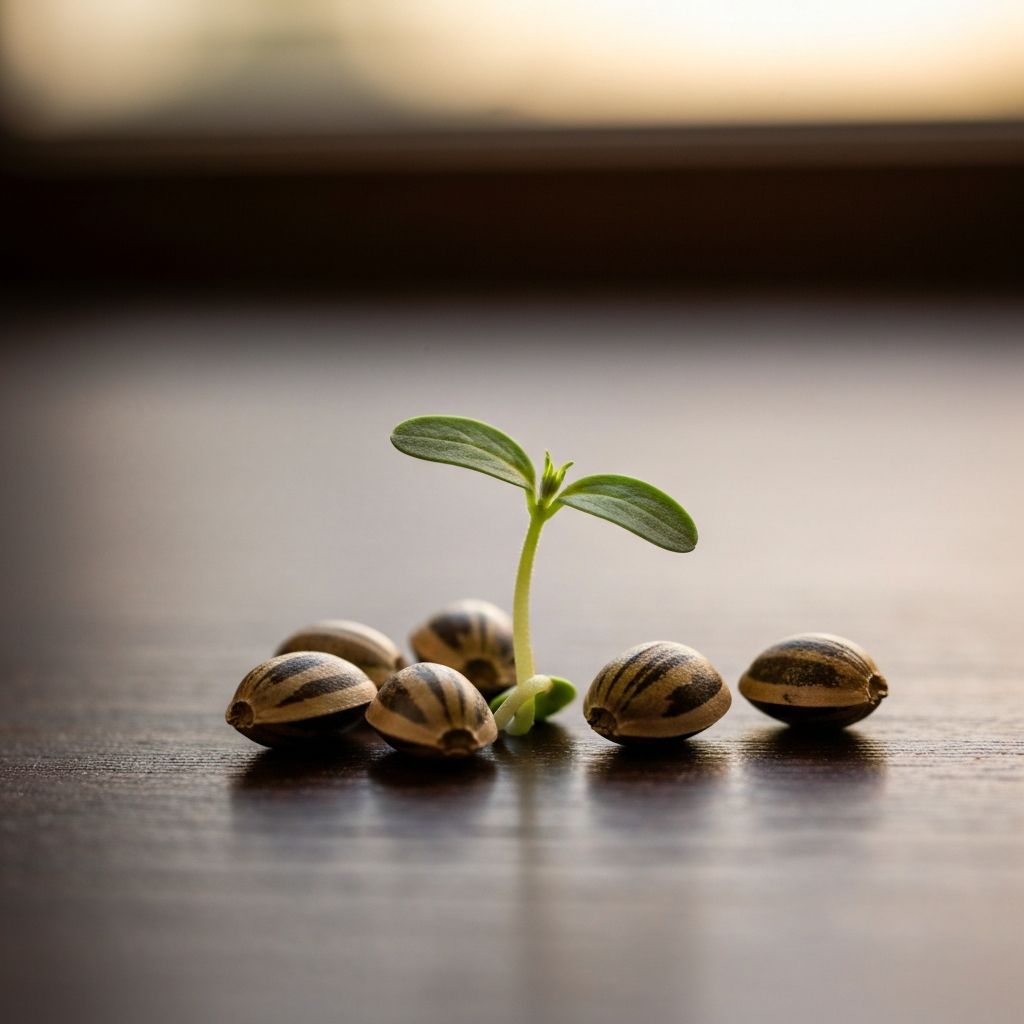
GeneticsA cannabis variety that flowers automatically based on age rather than light cycle changes. Derived from Cannabis ruderalis genetics. Typically flowers in 8–10 weeks from seed regardless of photoperiod.
Apical Dominance
GrowingThe tendency of a plant to grow primarily upward from the main stem. Training techniques like topping or FIMing break apical dominance to encourage lateral branching and multiple colas.
Backcross (BX)
GeneticsCrossing a hybrid offspring back to one of its parent strains. Used to stabilize and lock in desired traits while reinforcing the parent's genetic characteristics. BX1 = first backcross, BX2 = second, etc.
Broad Spectrum
ChemistryA cannabinoid extract containing the full range of cannabinoids and terpenes from the plant, but with THC removed. Distinct from full-spectrum (retains THC) and isolate (single compound only).
Calyx
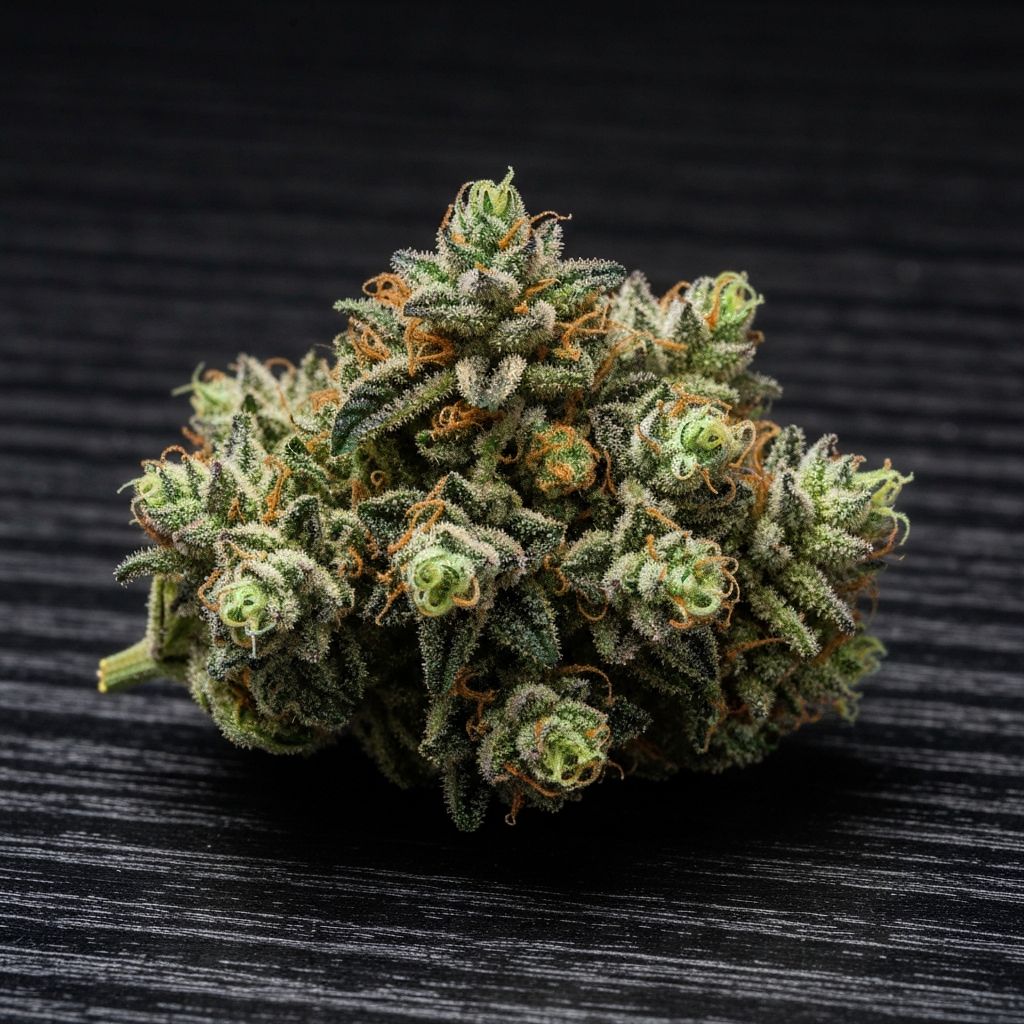
BotanyThe small pod-like structures that make up the bulk of a cannabis bud. Calyxes contain the reproductive organs of the plant and are covered in trichomes. Stacking calyxes = dense flower development.
Cannabinoid
ChemistryChemical compounds produced by the cannabis plant that interact with the human endocannabinoid system. Over 100+ cannabinoids identified including THC, CBD, CBG, CBN, CBC, and THCV.
Coco Coir
GrowingA growing medium made from coconut husks. Inert (no native nutrients), highly oxygenated, and excellent for root development. Requires a complete nutrient program. pH target: 5.8–6.2.
Cola
BotanyA cluster of buds that grow tightly together along the upper portion of main stems and branches. The main cola (apical bud) is typically the largest and most resinous on the plant.
Cure
Post-HarvestThe controlled drying and aging process after harvest. Properly cured cannabis is sealed in glass jars and burped regularly over 4–8+ weeks to break down chlorophyll, enhance terpene complexity, and improve smoothness.
Defoliation
GrowingSelectively removing fan leaves during vegetation and early flower to improve light penetration, airflow, and canopy management. Aggressive defoliation is best suited to healthy, vigorous plants.
Dominant Phenotype
GeneticsA phenotype that expresses a trait reliably across a population due to dominant alleles in its genetic code. Dominant traits appear even when only one copy of the gene is present.
EC (Electrical Conductivity)
GrowingA measurement of nutrient concentration in a water solution. Higher EC = more dissolved salts/nutrients. Target ranges vary by strain and growth stage, typically 0.8–1.2 (seedling) to 1.8–2.5 (peak flower).
Endocannabinoid System
ChemistryA cell-signaling system in the human body comprising CB1 and CB2 receptors. Regulates functions including mood, memory, pain response, appetite, and immune function. Cannabis cannabinoids interact directly with this system.
Entourage Effect
ChemistryThe theory that cannabinoids, terpenes, and flavonoids work synergistically, producing effects greater than any single compound alone. The basis for preferring full-spectrum products over isolates.
F1 Hybrid
GeneticsFirst filial generation — the direct offspring of two distinct parent strains. F1 hybrids exhibit hybrid vigor (heterosis), often showing enhanced growth, yield, and potency compared to either parent.
Feminized Seeds
GeneticsSeeds bred to produce only female plants (99%+ female rate). Created through controlled pollination using reversed female pollen. Eliminates the need to sex plants and removes males from the grow space.
FIMing
GrowingA topping variant where roughly 75% of the new growth tip is pinched or cut. FIM stands for "F*** I Missed." Can produce 4 new growth tips from one cut, encouraging a wider, bushier canopy structure.
Flush
GrowingWatering with plain, pH-balanced water (no nutrients) for 7–14 days before harvest. Flushes excess salts and nutrients from the growing medium, resulting in a cleaner, smoother final product.
Genotype
GeneticsThe complete genetic blueprint of a plant — all the DNA it carries. Two plants with the same genotype can express differently based on environment. Genotype determines potential; environment determines expression.
Growing Medium
GrowingThe substrate in which cannabis roots develop. Common options include amended soil, coco coir, rockwool, hydroponics (DWC, NFT, aeroponics), and perlite/vermiculite mixes. Each requires a different nutrient and pH approach.
Hermaphrodite
GeneticsA cannabis plant that develops both male and female reproductive organs. Can be genetically predisposed or stress-induced (light leaks, temperature extremes, nutrient stress). Hermies can self-pollinate and ruin a crop.
Hybrid
GeneticsA cannabis strain bred from both indica and sativa (or ruderalis) genetics. Most modern strains are hybrids. Effects and growth characteristics depend on the specific genetic blend and dominant lineage.
Indica
GeneticsA subspecies of cannabis originating from the Hindu Kush mountain region. Generally characterized by shorter, bushier plants with broad leaves, dense buds, and shorter flower times. Often associated with relaxing, body-heavy effects.
Internode
BotanyThe section of stem between two nodes (branch/leaf junction points). Short internodal spacing = compact, bushy structure (typical of indica-dominant genetics). Long internodal spacing = stretchy, sativa-leaning structure.
Landrace
GeneticsA cannabis strain that has evolved naturally in a specific geographic region over centuries without human selective breeding. Examples include Hindu Kush, Durban Poison, and Acapulco Gold. Landraces are the genetic foundation of modern strains.
LST (Low Stress Training)
GrowingA training technique that involves gently bending and tying branches to flatten the canopy and expose more bud sites to light. Low stress means the plant is not cut. Creates even light distribution and maximizes yield potential.
Myrcene
TerpenesThe most abundant terpene in cannabis. Earthy, musky, herbal aroma profile. Associated with sedative, relaxing effects. Also found in hops, mangoes, and lemongrass. May enhance THC absorption through the blood-brain barrier.
Mother Plant
GrowingA female cannabis plant kept in vegetative state indefinitely as a clone donor. A stable mother plant provides unlimited genetically identical cuttings, preserving a phenotype across multiple crop cycles.
Node
BotanyA point on the stem where branches and leaves develop. Nodes are the sites of bud growth and are closely monitored during pre-flower to identify sex (female pistils vs. male pollen sacs appear at nodes).
Phenotype
GeneticsThe physical expression of a plant's genetic potential as influenced by its environment. Two plants with identical genotypes (same seeds) can exhibit different phenotypes based on lighting, nutrients, temperature, and other variables.
Photoperiod
GrowingA cannabis plant that requires a change in light cycle to trigger flowering. Requires 12+ hours of uninterrupted darkness to initiate and maintain the flowering stage. The standard for most indoor cultivars.
Pistil
BotanyThe hair-like structures on female cannabis flowers that catch pollen. Initially white, pistils darken to orange, red, or brown as the plant matures. Pistil color change is one visual indicator of harvest timing.
PPFD
GrowingPhotosynthetic Photon Flux Density — the measurement of light intensity reaching the plant canopy. Measured in µmol/m²/s. Seedlings: 200–400. Veg: 400–600. Flower: 600–1000+. Exceeding 1500+ can cause light stress without CO2 supplementation.
Regular Seeds
GeneticsUnmodified seeds that can produce either male or female plants (roughly 50/50 split). Preferred by breeders for making crosses and preserving genetic diversity. Requires sexing plants and removing males.
Ruderalis
GeneticsA subspecies of cannabis native to Central Asia and Eastern Europe. Small, low-THC, and autoflowering. While not grown for its own effects, ruderalis genetics are crossed into modern strains to create autoflowering varieties.
Sativa
GeneticsA subspecies of cannabis originating near the equator (Southeast Asia, Central/South America, Africa). Tall, narrow-leafed plants with longer flower times. Often associated with energetic, cerebral, uplifting effects.
S1 (Self-Cross)
GeneticsA strain crossed with itself through feminization (reversing a female to produce pollen and self-pollinating). S1 seeds are genetically similar to the mother but introduce some variation. Used to preserve rare genetics.
ScrOG (Screen of Green)
GrowingA training technique using a horizontal screen/net to force plants to grow horizontally through the mesh. Creates an even, flat canopy that maximizes light exposure to all bud sites simultaneously.
Terpene
ChemistryAromatic compounds produced by the cannabis plant (and many other plants) that determine flavor, aroma, and contribute to effects. Over 200 terpenes identified in cannabis. Major examples: myrcene, limonene, caryophyllene, pinene, linalool.
THC (Tetrahydrocannabinol)
ChemistryThe primary psychoactive cannabinoid in cannabis. Binds to CB1 receptors in the brain to produce psychoactive effects. Also has documented analgesic, anti-nausea, and appetite-stimulating properties.
Topping
GrowingRemoving the main growth tip of a cannabis plant to break apical dominance and encourage two new main colas to develop. Results in a bushier, lower profile plant with more even light distribution across the canopy.
Trichome
BotanyTiny, crystal-like glandular structures on cannabis flowers and sugar leaves that produce and store cannabinoids and terpenes. Clear trichomes = immature. Cloudy = peak THC. Amber = degrading THC, rising CBN. Monitored for harvest timing.
VPD (Vapor Pressure Deficit)
GrowingThe difference between the moisture content of saturated air and the actual moisture in the air. The primary metric for dialing in ideal temperature/humidity combinations at each growth stage. Proper VPD drives transpiration, nutrient uptake, and growth rate.
Wet Trim
Post-HarvestTrimming leaves from cannabis buds immediately after harvest while the plant is still fresh. Easier to trim when wet, but can compress trichomes. Best suited to humid environments where dry trimming risks mold.