
Resources
Breeder's Corner
Advanced knowledge for serious cultivators and home breeders. Phenotype hunting, genetic crosses, feminization, and seed preservation — all in one place.
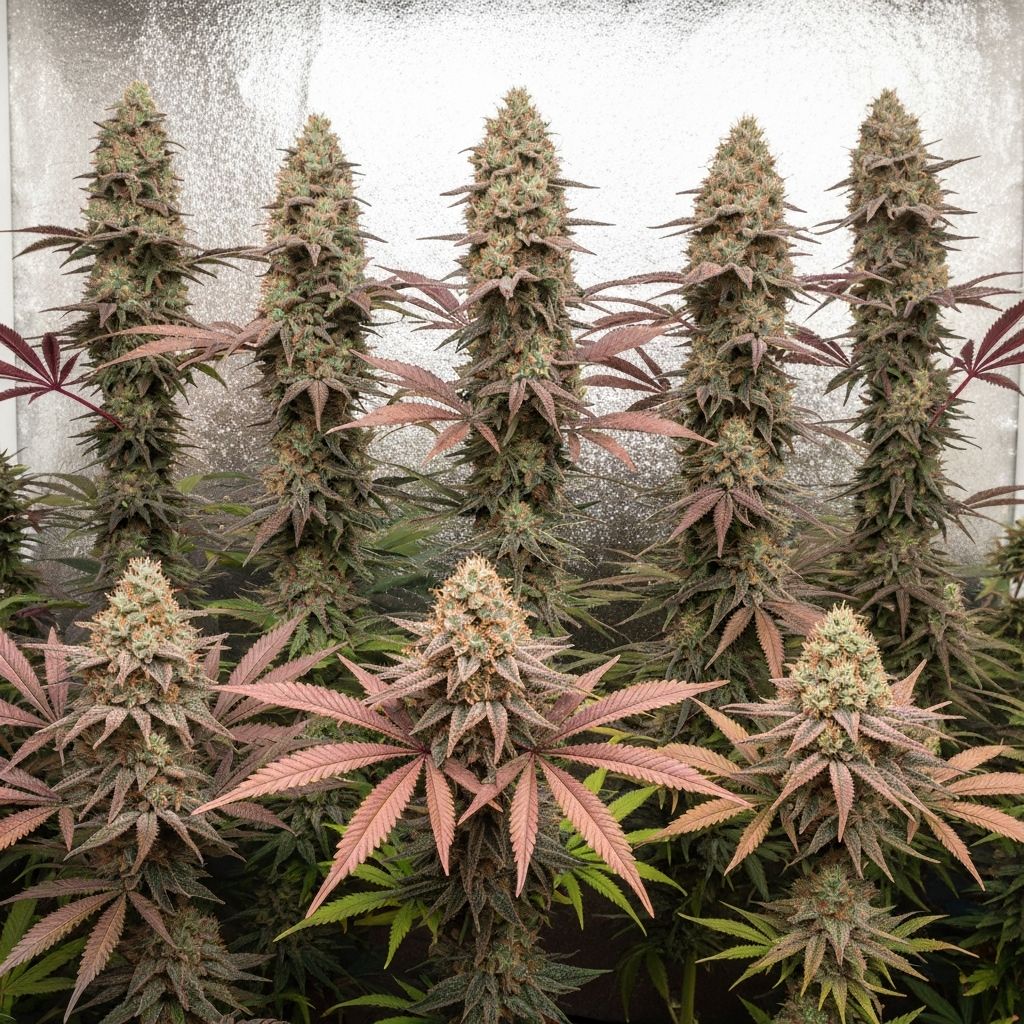
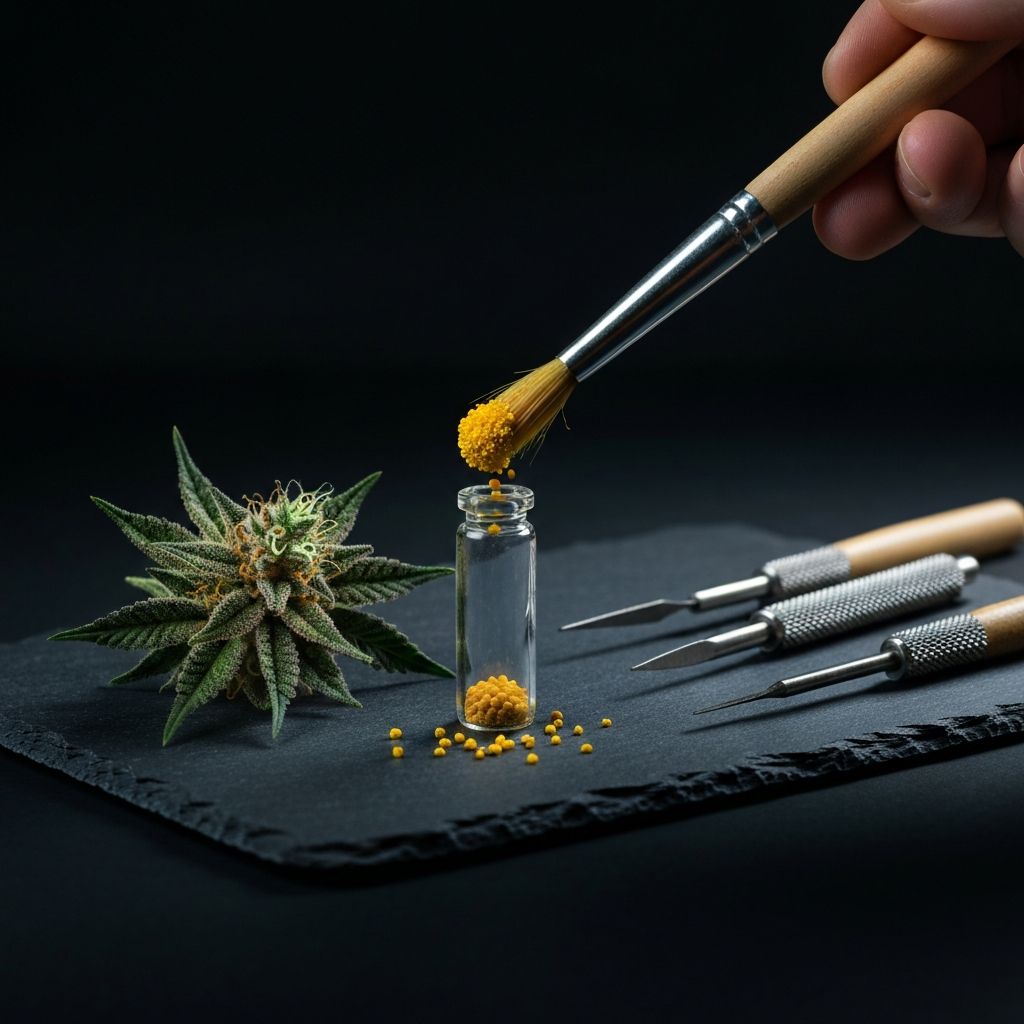 Pollen Collection
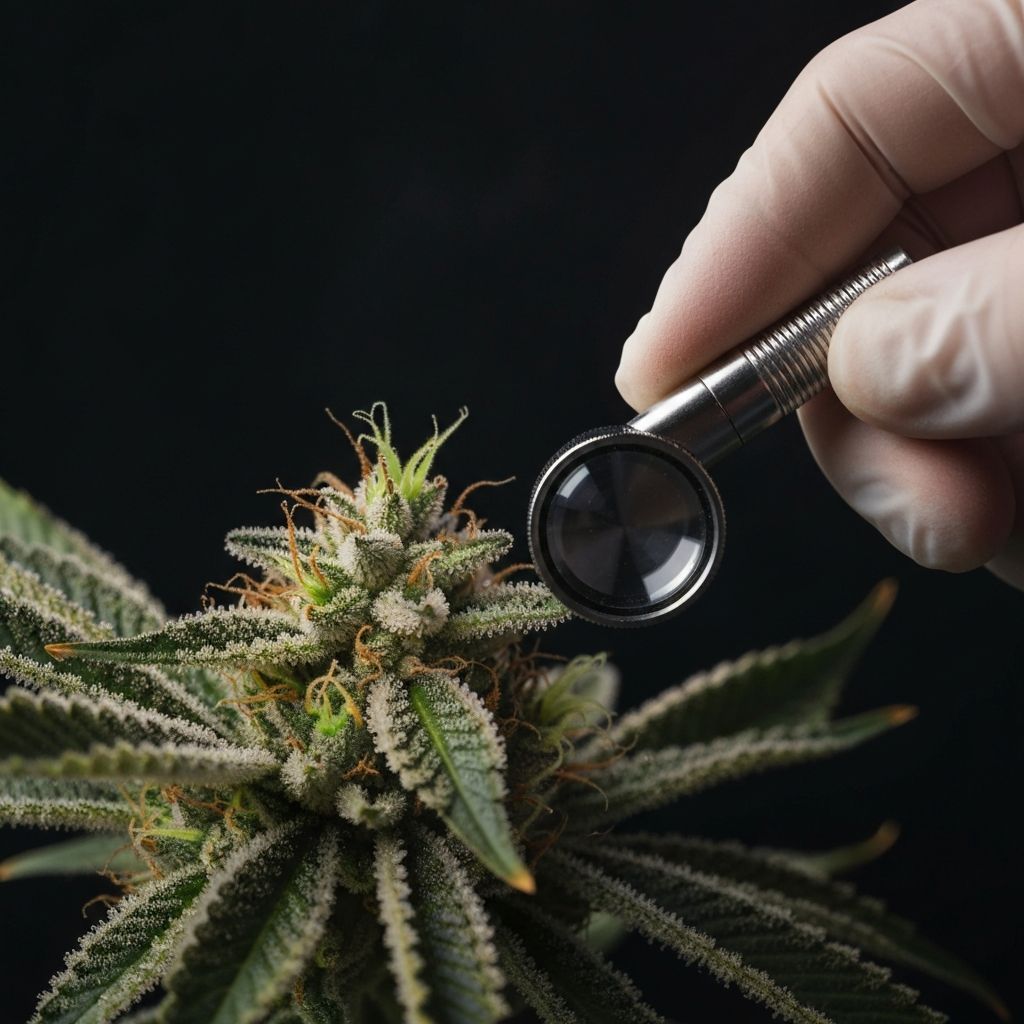 Selection
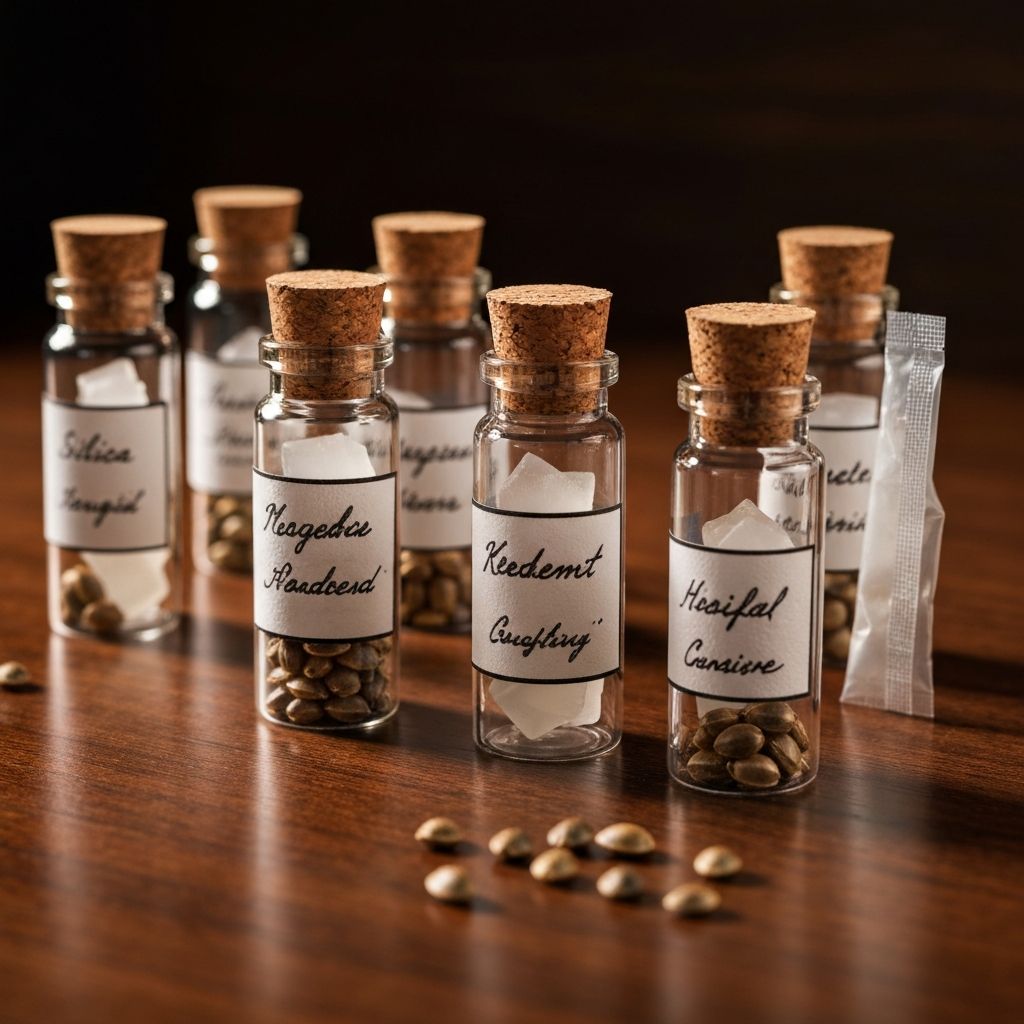 Preservation
What is Phenotype Hunting?
Phenotype hunting is the process of germinating multiple seeds from the same strain, then evaluating each individual plant to identify standout expressions worth preserving as clones. Even seeds from the same pack can produce plants with distinctly different aromas, structure, potency, and yield. The goal is to find "the one" — the phenotype that excels across every metric you care about.
How Many Seeds Should You Run?
The more seeds you pop, the higher the chance of finding an exceptional pheno. A serious hunt typically starts with a minimum of 10–20 seeds. Elite hunters run 50–100+ from a single pack. The law of large numbers applies — rare standout expressions require a large enough sample to emerge.
Evaluation Criteria
Assess each plant across multiple categories: structure and internode spacing, leaf shape and color, growth rate, aroma during veg (rubbing a leaf) and flower, trichome density, bud structure, resistance to mold/pests, yield, cure quality, and final effect. Score each pheno consistently using a written rubric.
Preserving Your Keeper
Once identified, take cuttings from your keeper pheno before it enters late flower. Root the clones and maintain the mother plant in vegetative state. A single mother can supply unlimited genetically identical clones, allowing you to run the same winning phenotype indefinitely.
Field Notes
Keep a Grow Journal
Record everything — germination dates, training, nutrient schedules, defoliation, environmental conditions, and observations. Pattern recognition across multiple runs accelerates improvement dramatically.
Score Phenos Consistently
Use a written rubric when hunting phenotypes. Subjective impressions fade. A standardized scoring sheet for structure, aroma, bag appeal, yield, and effect allows objective comparison across a run.
Never Discard a Mother Prematurely
Some phenotypes reveal their best qualities only after multiple cycles. A plant that seems average in its first run may become a favourite once you understand how to grow it. Give keepers at least two full runs before making a final call.
Quarantine New Genetics
Always run new seeds or clones in isolation before introducing them to your main garden. Pests and pathogens hitch rides on new plant material. A 2-week quarantine and inspection period protects your existing plants.
Understand Your Water
Hard water (high calcium/magnesium) and soft water require different feeding strategies. Test your tap water baseline for pH, EC, and mineral content. Build your nutrient program around your water, not despite it.
Take More Clones Than You Think You Need
Clones fail. Take 2–3x as many as your target number, especially from a new mother or difficult-to-clone genetics. Losing a clone of an irreplaceable keeper is a frustration that is entirely avoidable with redundancy.
Start with quality genetics.
The best breeders start with the best seeds. Browse the Frontier Frost catalog.