Terpenes are far more than just fragrance. From myrcene to caryophyllene, we break down the most common cannabis terpenes and what they actually do.
Walk into any serious cannabis garden and the first thing you notice is the smell. That complex, layered fragrance — sometimes citrus, sometimes pine, sometimes diesel — is produced almost entirely by terpenes. But these molecules do more than just make cannabis smell good.
What Are Terpenes?
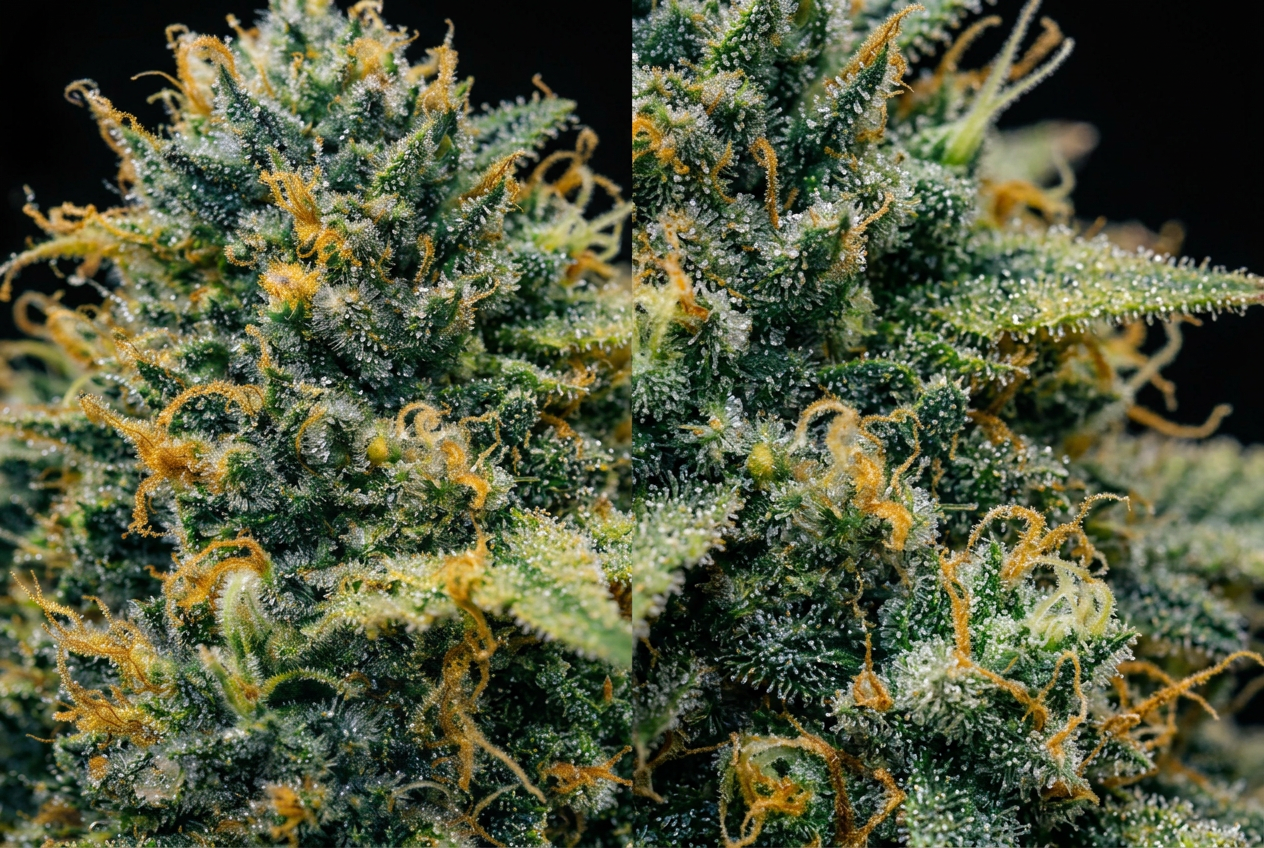
Terpenes are aromatic organic compounds found throughout the plant kingdom. In cannabis they are synthesized in the trichomes — the same glandular structures that produce THC and CBD. To date, researchers have identified over 200 distinct terpenes in cannabis, though most strains are dominated by just five to ten.
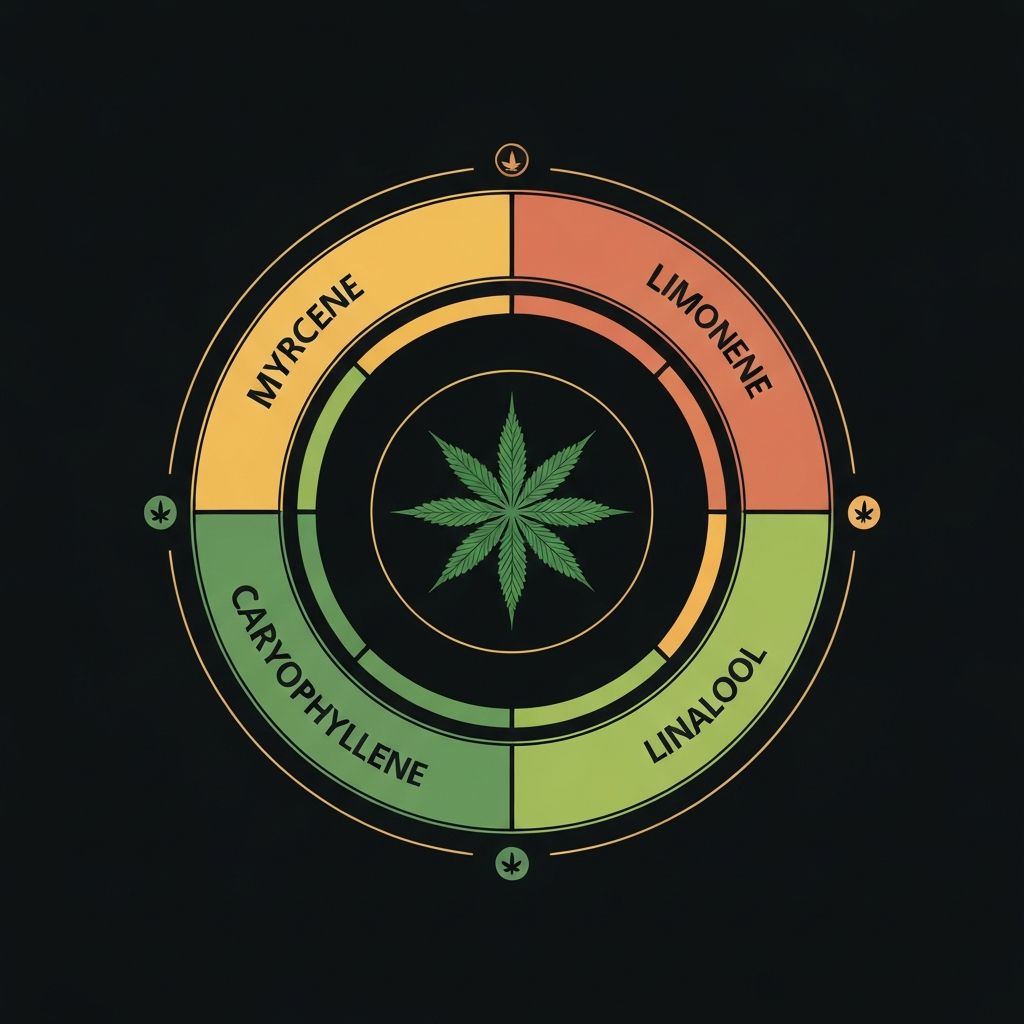
The Major Terpenes
Myrcene
The most abundant terpene in commercial cannabis. Myrcene carries an earthy, musky, slightly fruity aroma. It is associated with sedating effects and is thought to enhance the permeability of cell membranes, potentially increasing cannabinoid absorption.
Limonene
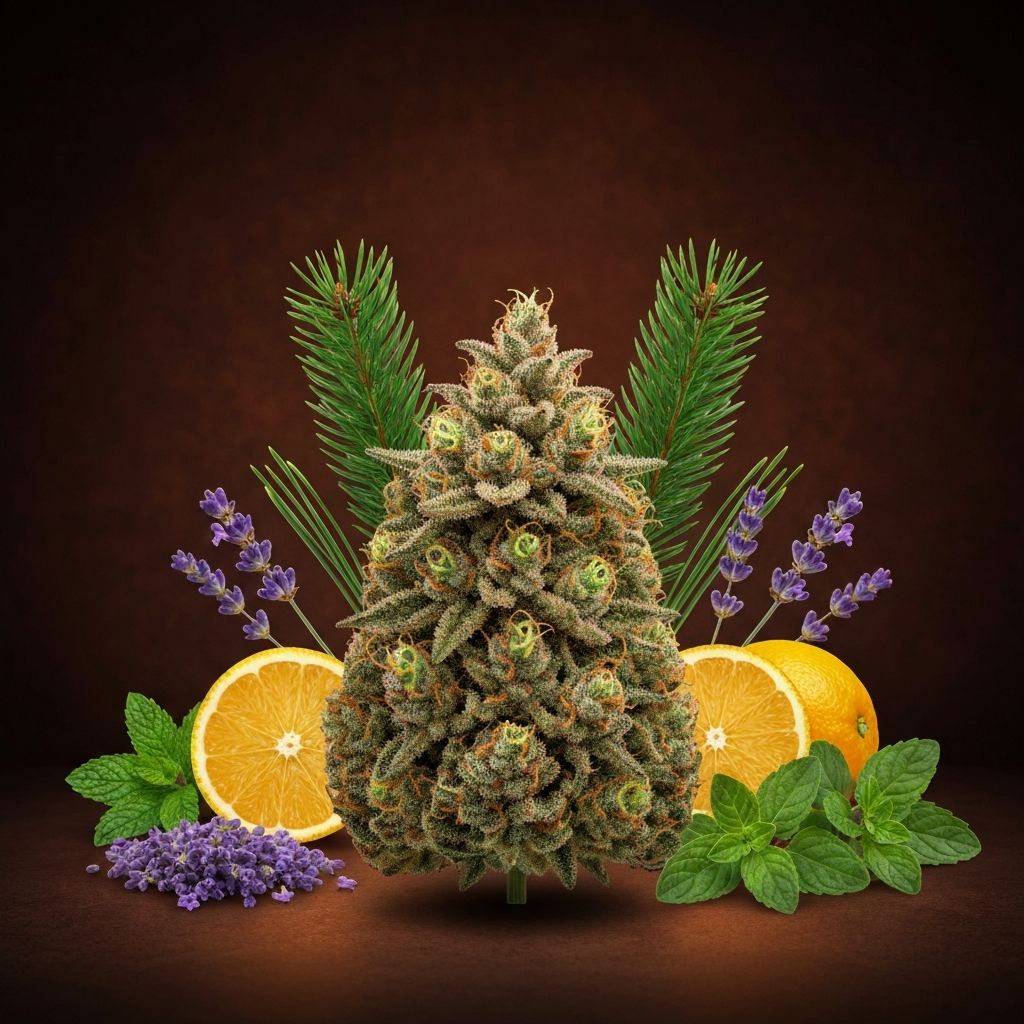
Dominant in citrus-forward strains, limonene has been studied for its mood-elevating and stress-relieving properties. High-limonene strains tend to feel uplifting and energetic.
Caryophyllene
Unique among terpenes, caryophyllene is also a dietary cannabinoid — it binds directly to CB2 receptors. Its spicy, peppery, clove-like aroma is found in strains like OG Kush and is linked to anti-inflammatory effects.
Pinene
Exactly what it sounds like — pine forest in a compound. Alpha-pinene is one of the most widely studied terpenes in cannabis and is associated with mental clarity and memory retention. It is thought to counteract some of the short-term memory impairment caused by THC.
Linalool
The dominant terpene in lavender, linalool lends cannabis a floral, slightly spicy aroma. Studies suggest it has anxiolytic and sedative properties, making it common in relaxation-oriented strains.
The Entourage Effect
No terpene works in isolation. The entourage effect describes how cannabinoids and terpenes interact synergistically — each modulating the effects of the others. This is why two strains with identical THC percentages can feel completely different.
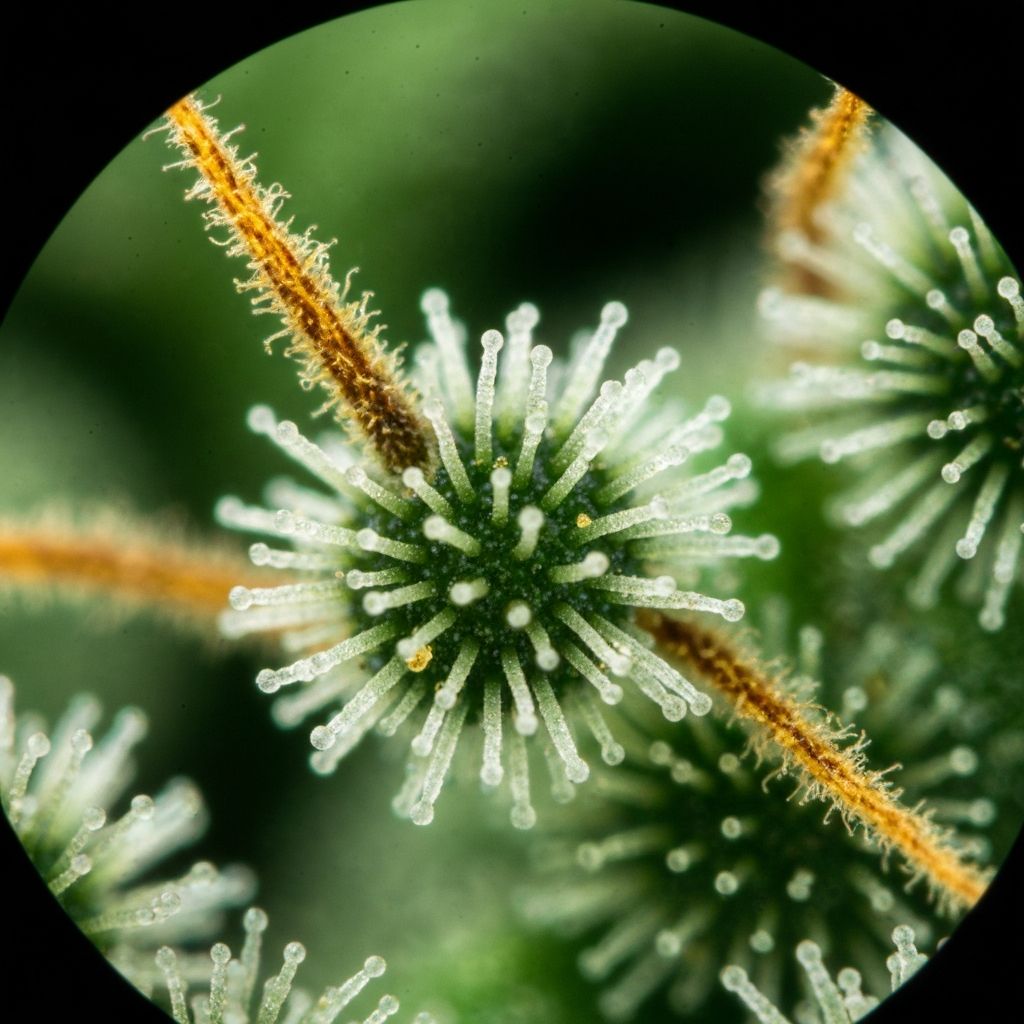
When selecting seeds, look beyond THC numbers. A strain with a rich, complex terpene profile will almost always produce a more interesting and nuanced experience than one optimized purely for potency.
Frontier Frost Seeds
Ready to grow?