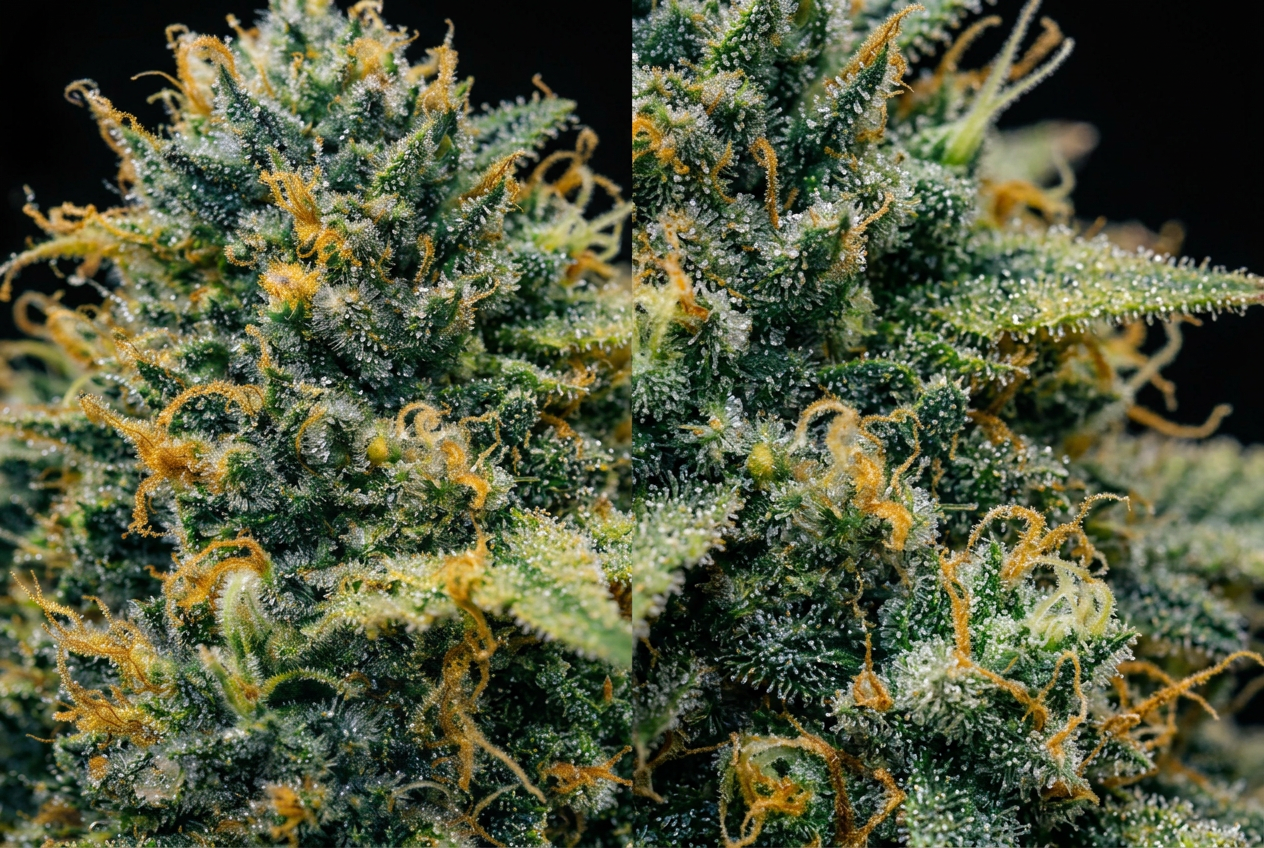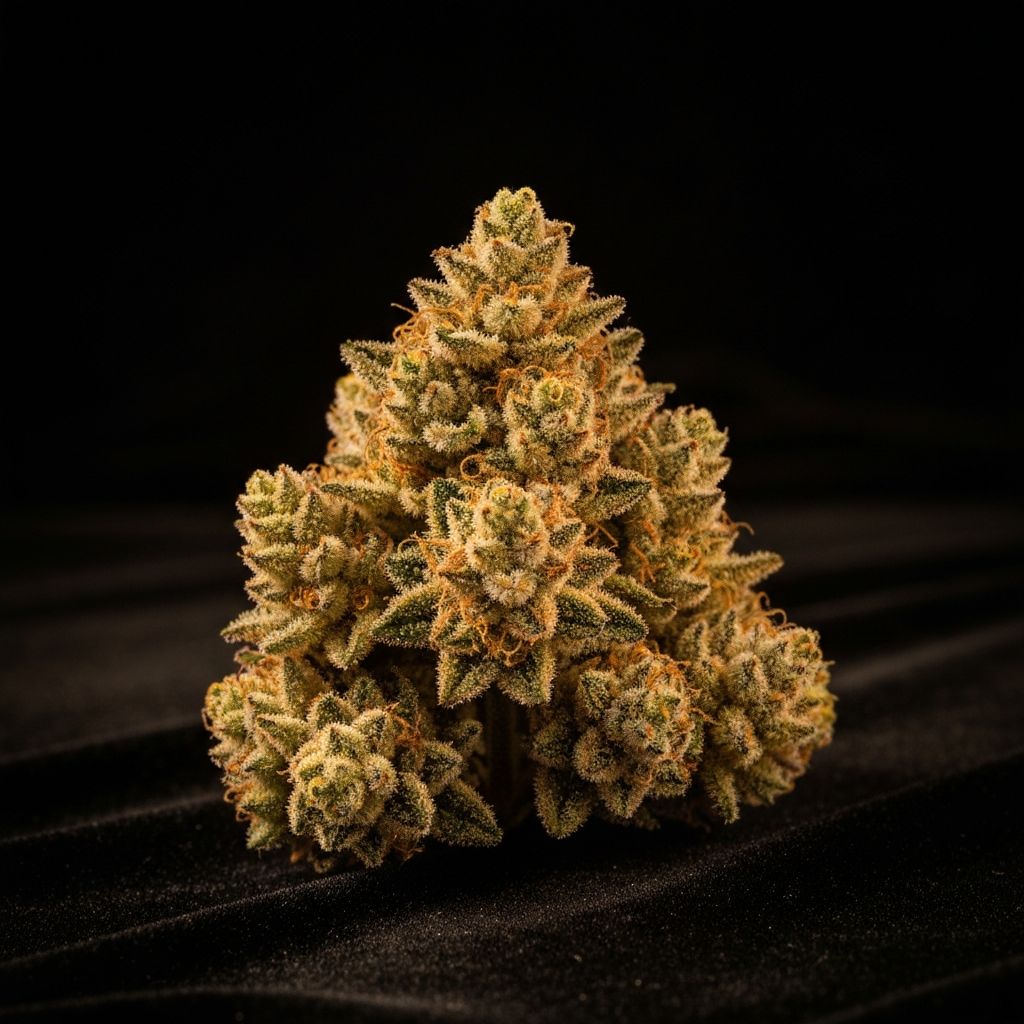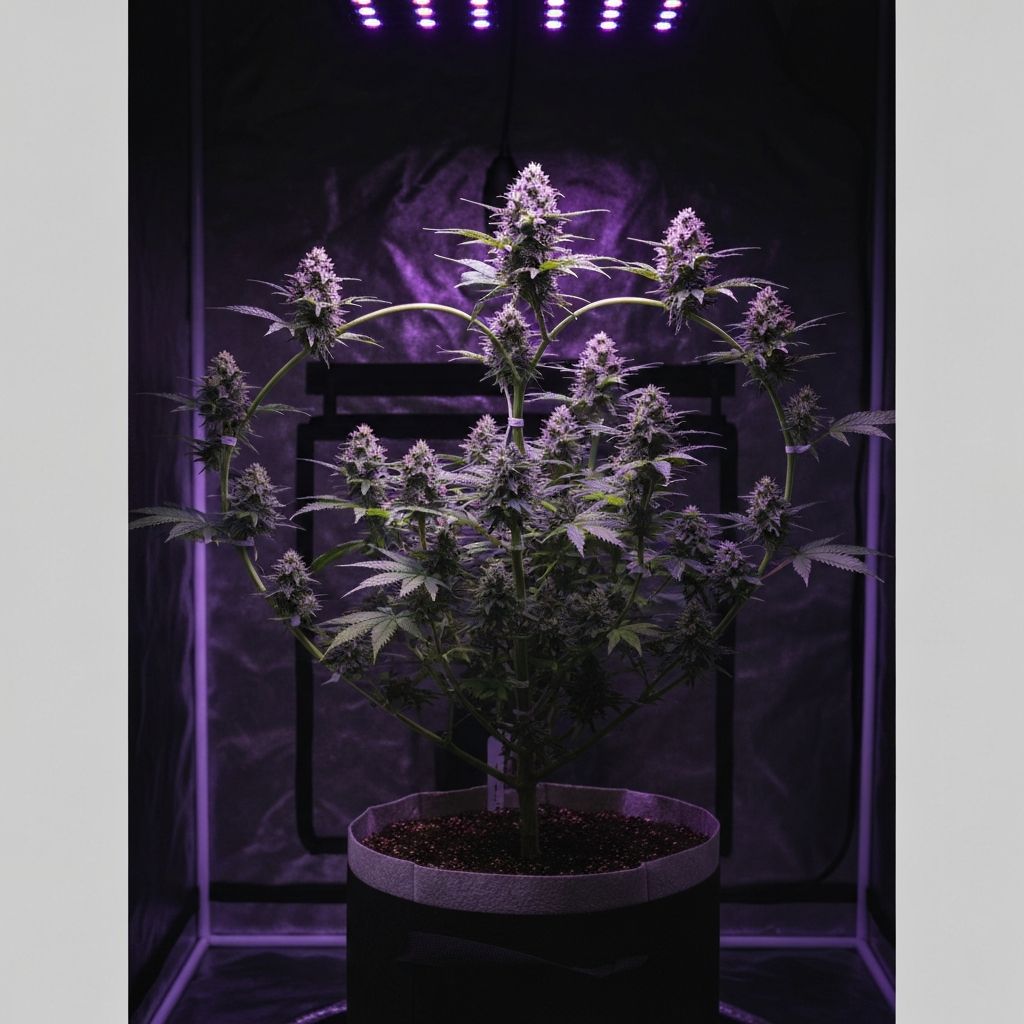

Learn the difference between F1, IBL, and polyhybrid genetics, why phenotype consistency matters, and how Frontier Frost achieves 95%+ uniformity.
Not all seeds are created equal. When you buy cannabis seeds, you are buying genetic potential — but how predictable that potential is depends entirely on the breeding work behind the strain. Understanding phenotype stability helps you choose genetics that will perform consistently, run after run.
What Is a Phenotype?
A phenotype is the observable expression of a genotype. Two plants with identical genetics (clones) will have identical phenotypes. Two plants from seeds — even siblings from the same cross — will have different phenotypes because sexual reproduction shuffles the genetic deck.
Phenotype variation includes everything you can observe: height, structure, leaf shape, aroma, bud density, flowering time, potency, and effect. The question is: how much variation should you expect?
F1, F2, and Beyond
F1 Hybrids
When you cross two stable but different strains (A x B), the offspring are F1 hybrids. F1s benefit from "hybrid vigor" — they are often more vigorous and uniform than either parent. But their uniformity comes from heterozygosity (mixed genes), not stability. If you tried to breed F1s together, the F2 generation would show massive variation.
F2-F4 Generations
Subsequent generations (F2, F3, F4...) from selfing or sibling crosses show increasing phenotype variation as recessive traits express. This is where breeders do selection work — identifying and isolating desirable phenotypes while eliminating unwanted ones.
IBL (Inbred Lines)
After 5-7+ generations of selection and stabilization, you approach IBL status — Inbred Lines where the genetics are homozygous (true-breeding) for key traits. IBL seeds produce highly consistent offspring. This is what Frontier Frost strains aim for.
Why Stability Matters
- Predictable results — Know what you are growing before you grow it
- Consistent harvests — Same yield, quality, and timing every run
- Simplified cultivation — One feeding schedule, one training approach
- Commercial viability — Dispensaries need consistency for their customers
- Pheno hunting value — Stable genetics mean small variations, not lottery tickets
Red Flags in Seed Marketing
Watch out for these warning signs of unstable genetics:
- "Pheno hunt recommended" — Translation: we did not finish the breeding work
- Wide flowering time ranges (8-12 weeks) — Indicates unstable genetics
- "Expect variation" disclaimers — The breeder is warning you
- No generation info — Reputable breeders state F1, IBL, etc.
- Hype over substance — Flashy names but no lineage details
How Frontier Frost Achieves Stability
Every Frontier Frost strain undergoes a minimum 4-generation stabilization process:
- Generation 1: Initial cross, phenotype evaluation (20+ plants)
- Generation 2: Selection of target phenotype, elimination of outliers
- Generation 3-4: Backcrossing or sibling selection to lock traits
- Generation 5+: Final testing for uniformity (95%+ consistency)
- Production: Only after stability testing passes do seeds reach customers
The result: when you pop Frontier Frost seeds, you know what you are getting. Not a lottery ticket — a proven genetic line that performs.
Frontier Frost Seeds
Ready to grow?