Both techniques break apical dominance and increase yield potential — but they are not interchangeable. We break down when to top and when to FIM.
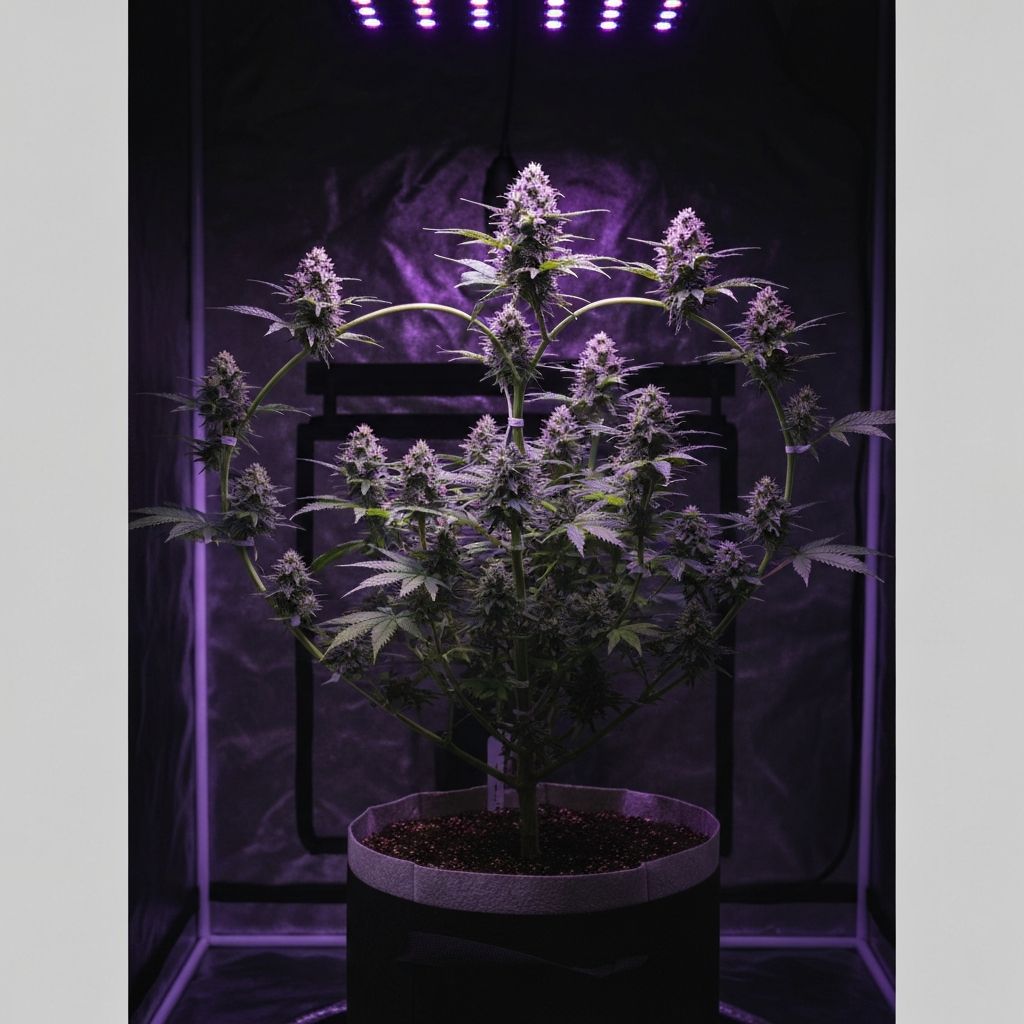
Both topping and FIMing are high-stress training techniques designed to disrupt apical dominance — the tendency for cannabis plants to push most of their energy into a single main cola. Done correctly, both result in multiple main colas instead of one, increasing total yield and creating a more efficient canopy.
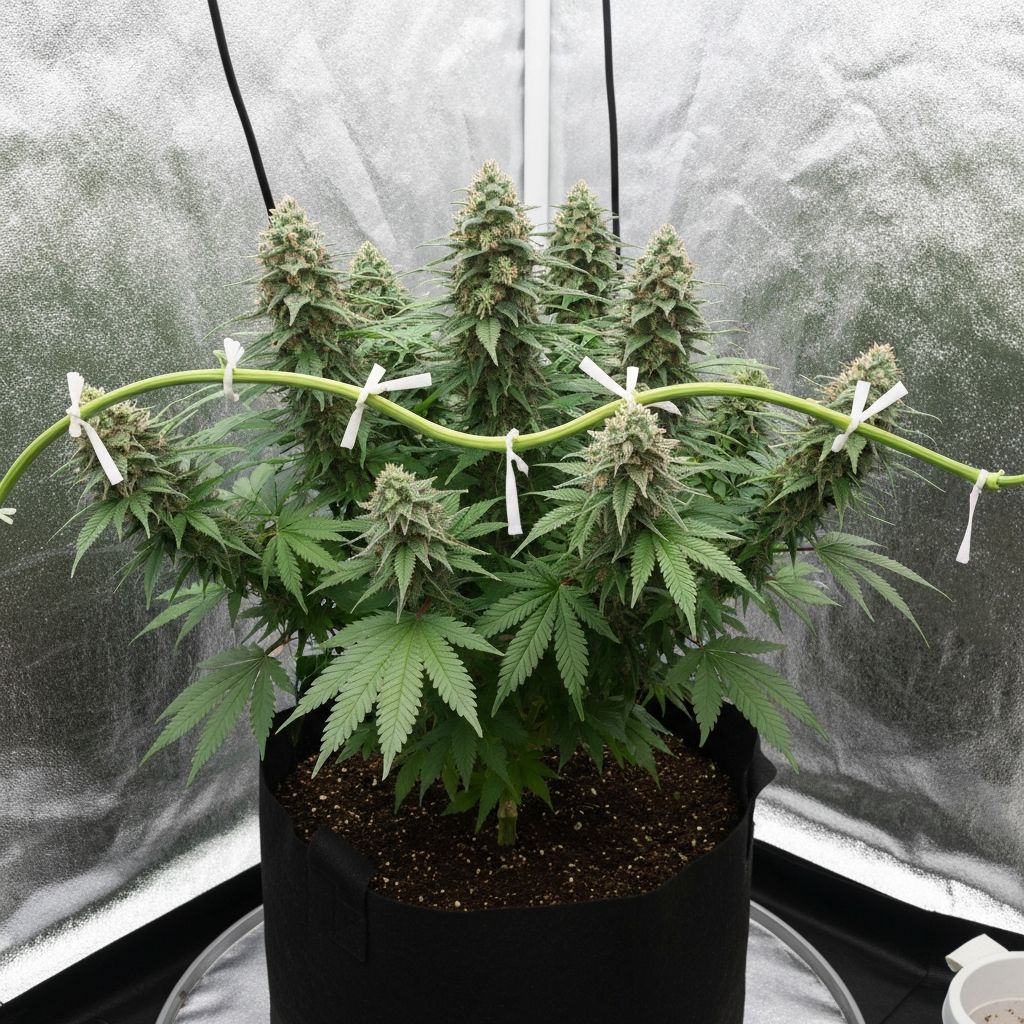
Topping
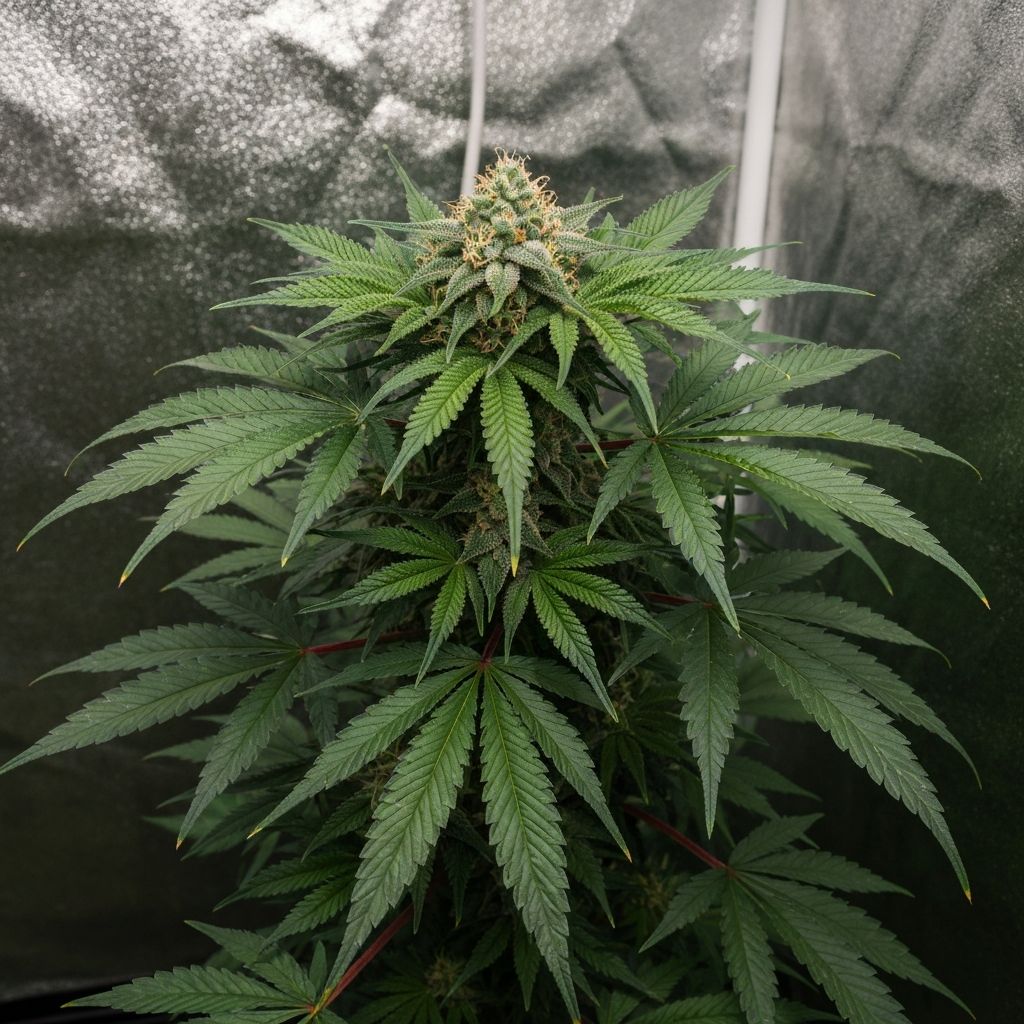
Topping is the removal of the entire growing tip — the apical meristem ����� just above a node. This forces the two shoots below the cut to develop into main colas, effectively doubling the number of tops. Each subsequent top doubles the count again: 1 → 2 → 4 → 8.
When to Top
- Plant has at least 5 nodes
- Stem is sturdy enough to recover cleanly
- You have adequate vegetative time before flip
- You want predictable, symmetrical structure
FIMing
FIM stands for "F*** I Missed" — it originated as an accidental incomplete topping. Instead of removing the entire growing tip, you pinch or cut roughly 75–80% of the tip, leaving a small portion behind. The result is typically four new growth tips instead of two, creating a bushier plant with slightly less recovery stress.
When to FIM
- You want 4 tops from a single cut
- Limited recovery time before flip
- Working with autoflowers that cannot afford topping stress
- You prefer a bushier, less structured canopy
Head-to-Head Comparison
- Recovery speed: FIM is faster
- Structural symmetry: Topping wins
- Tops per cut: FIM (4) vs Topping (2)
- Precision required: Topping is more forgiving
- Autoflower compatibility: FIM recommended

The Bottom Line
Top when you want control and symmetry. FIM when you want speed and maximum tops with minimal stress. For most photoperiod grows with adequate veg time, topping is the cleaner choice. For autos or time-constrained runs, FIMing is a better bet.
Frontier Frost Seeds
Ready to grow?